Long-Term Care Insurance: Understanding Coverage and Timing for Future Needs
An overview of long-term care insurance breaks down what it covers, including hands-on care such as bathing and dressing. Experts recommend purchasing policies between ages 50 and 70, emphasizing that younger buyers face lower premiums. The article also explains policy…
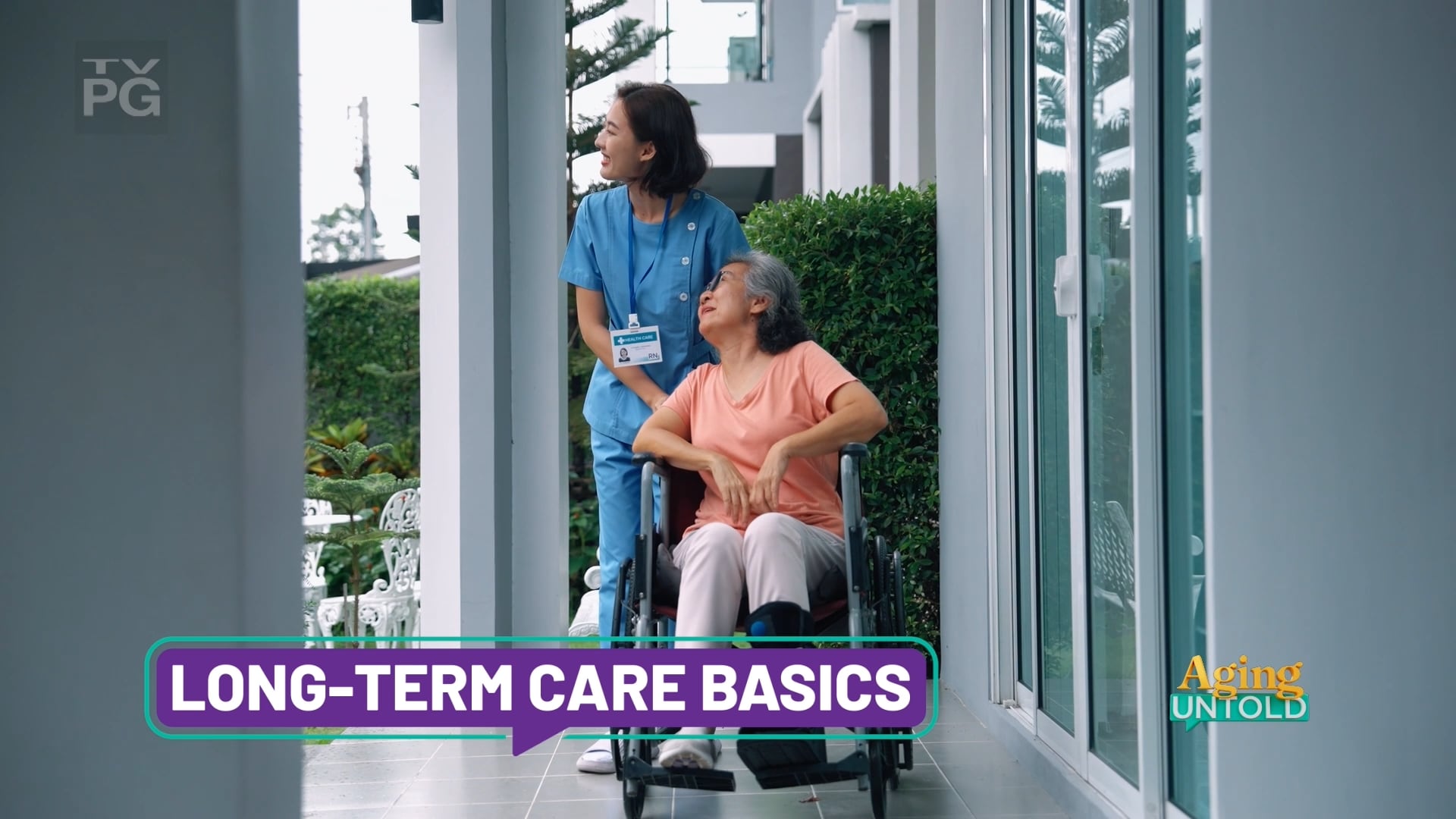
 Greenville Spartanburg Asheville Anderson, SC, October 5, 2026 — A comprehensive understanding of long-term care insurance is crucial for individuals planning for future healthcare needs. These policies are designed to cover a range of services, particularly hands-on assistance with daily activities such as bathing, dressing, and eating, which may become necessary due to aging, chronic illness, or disability.
Experts in the field suggest that the optimal window for purchasing long-term care insurance policies is between the ages of 50 and 70. A key factor influencing policy costs is age; individuals who secure coverage at younger ages typically benefit from lower monthly premiums. This financial advantage is attributed to the lower perceived risk associated with younger policyholders.
Several key features are integral to long-term care insurance policies, and prospective buyers are advised to familiarize themselves with these components:
- Elimination Periods: This is a waiting period after a claim is made before benefits begin to be paid. It functions similarly to a deductible.
- Daily Payout Caps: Policies often specify the maximum amount that can be paid out per day for care services.
- Lifetime Benefit Limits: This represents the total maximum amount the policy will pay out over the entire duration of care.
The landscape of long-term care coverage also includes hybrid policies. These are often combination products, such as life insurance with a long-term care rider, or annuities with long-term care features. These hybrid options can offer flexibility and may provide a death benefit in addition to long-term care benefits, or a return of premium under certain circumstances.
To effectively navigate these options, individuals are encouraged to thoroughly understand the specifics of their chosen coverage. This includes assessing potential future care needs and ensuring the policy aligns with those expectations. Proactive planning is emphasized as a means to secure appropriate care and financial support when it may be needed most.
Story summarized from the original created by LeAnne Gendreau, Katherine Ambrose , Sondra ‘Sam’ Cradduck , Amy Amy Cameron O’Rourke, Rhea Rogers on www.foxcarolina.com, see more information here.
Media gallery