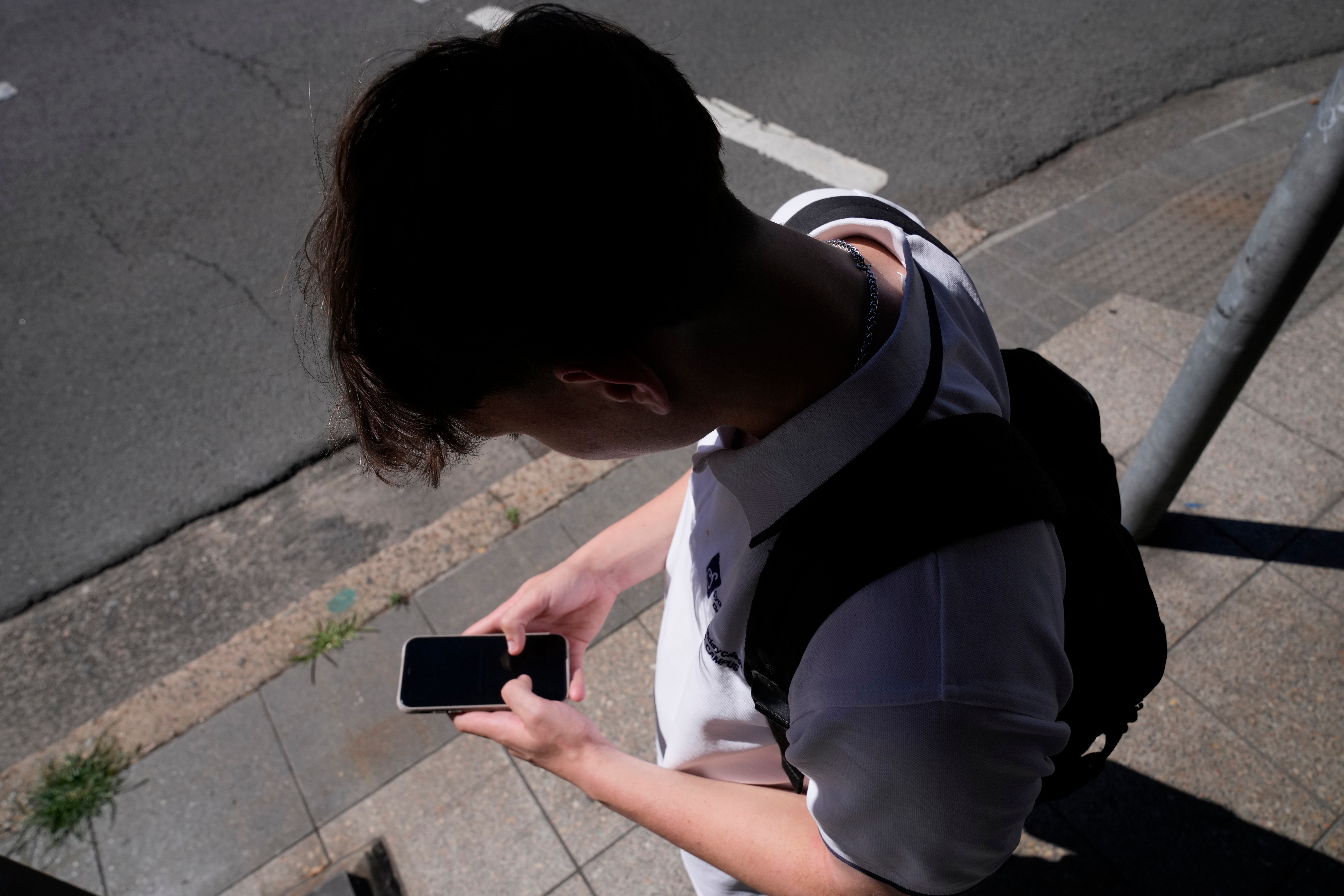
Phishing Scam Targets Apple Pay Users in Greenville Area
A new phishing scam is targeting Apple Pay users in the Greenville area by sending high-pressure text messages claiming unauthorized charges, aiming to steal personal financial and account details.

 Greenville Spartanburg Asheville Anderson, SC, September 8, 2026 —
Authorities are warning Apple Pay users in the Greenville area about a new phishing scam that uses deceptive text messages to trick individuals into revealing sensitive financial and account information. The fraudulent messages are reportedly being sent to users under the guise of security alerts, aiming to exploit immediate concerns about unauthorized transactions.
According to reports, these high-pressure text messages falsely claim that unauthorized charges have been made to an Apple Pay account. The scam’s objective is to prompt recipients into immediate action, a common tactic designed to bypass critical thinking and encourage rapid sharing of personal data. Such information could include login credentials, credit or debit card numbers, and other personal identifying details that can be used for identity theft or financial fraud.
The scam specifically targets users of Apple Pay, a popular mobile payment and digital wallet service. The tactic of using urgent text messages about financial discrepancies is a well-known phishing method. While specific details about the perpetrators or the exact volume of messages sent were not immediately available, the trend indicates a localized effort to defraud consumers in the Greenville region.
Scammers often impersonate legitimate companies or services to gain trust. In this instance, the messages leverage the trusted name of Apple Pay and the fear of financial loss from unauthorized charges. Residents are advised to exercise extreme caution when receiving unexpected text messages, especially those demanding immediate personal information or threatening account suspension due to alleged fraudulent activity.
Law enforcement agencies and cybersecurity experts recommend several preventive measures for all digital payment users. These include never clicking on suspicious links within text messages or emails, independently verifying any suspicious activity by contacting the company directly through official channels (not through links or numbers provided in the suspicious message), and regularly monitoring financial accounts for any unusual transactions. Users should also be wary of any requests for personal information via text or email, as legitimate financial institutions typically do not solicit such details through these unsolicited methods.
The contractor’s name involved in this particular scam has not been provided, nor has the exact timeline of when these messages began circulating. Residents who believe they have been targeted by or have fallen victim to this phishing scam are encouraged to report the incident to local authorities and to Apple’s security support channels.
Story summarized from the original created by Anna Arinder on www.foxcarolina.com, see more information here.