Breast Cancer and Strength Training: Carbon Performance Examines Promising Research and Offers Expert Exercise Guidance
For Breast Cancer Awareness Month, Carbon examines reduced cell growth in lab studies, possible links to lower
Press Release Disclaimer: This is a press release distributed through the XPR Media network. It has not been independently verified by our newsroom.
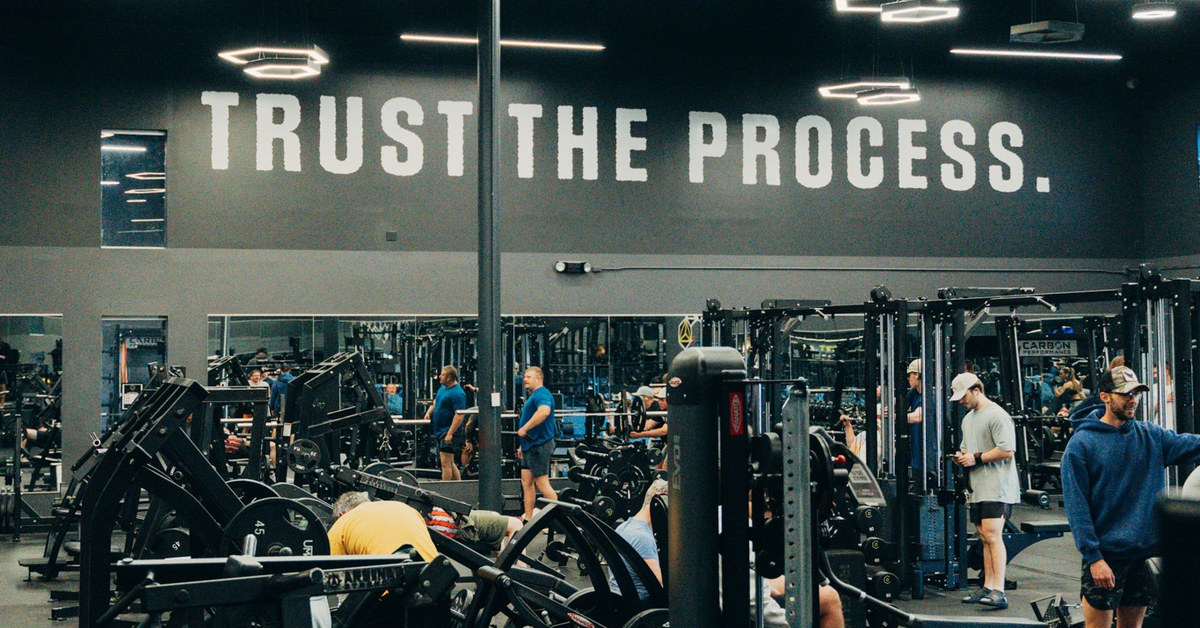

For Breast Cancer Awareness Month, Carbon examines reduced cell growth in lab studies, possible links to lower recurrence, and broader cancer survival findings.
NASHVILLE, TN, UNITED STATES, October 24, 2026 /EINPresswire.com/ — A growing body of research is giving those living with and recovering from cancer even more reason to be active. Beyond long-standing findings that exercise can help them maintain strength, manage fatigue, and improve quality of life, new research suggests it may also improve survival and reduce the likelihood of certain cancer-related outcomes, including recurrence.
Among the latest findings drawing attention is a September 2026 systematic review and meta-analysis that found structured exercise was associated with a 17% lower rate of cancer recurrence, a new cancer, or death; a 26% lower risk of dying specifically from cancer; and a 23% improvement in overall survival.
The findings add to earlier evidence, including a landmark 2025 clinical trial in which colon cancer patients participating in a structured exercise program after chemotherapy had higher five-year disease-free survival rates than those receiving health education alone (80.3% versus 73.9%). Overall survival also favored the exercise group.
Carbon Performance, a multi-state holistic gym offering strength training, structured coaching, and advanced recovery, hopes these findings receive the attention they deserve and encourage cancer survivors and the broader public to recognize the importance of regular exercise for long-term health and longevity.
“People often think of exercise as something they do to improve their appearance or athletic performance, and those are great reasons to hit the gym, but we’ve always known its potential impact on long-term health is much greater than that,” says Brent Laffey, co-founder and owner of Carbon Performance. “What we’re learning about exercise and the potential benefits for cancer survival gives that message even greater significance.”
STRENGTH TRAINING AND BREAST CANCER: WHAT THE RESEARCH SHOWS
Beyond examining exercise more broadly across cancer types, researchers are also investigating how specific forms of exercise, such as strength training, may affect outcomes for individual cancers, including breast cancer. Studies have explored potential effects on cancer cell growth, recurrence, and mortality.
A January 2026 randomized trial found that blood serum collected from breast cancer survivors after 12 weeks of resistance training or high-intensity interval training (HIIT) suppressed breast cancer cell growth in laboratory testing. An earlier 2024 systematic review found limited, preliminary evidence that muscle-strengthening exercise may be associated with lower recurrence and mortality among breast cancer survivors.
While more research is needed to understand strength training’s potential impact on breast cancer outcomes, Victoria Laffey, co-founder and owner of Carbon Performance, says the findings add to the reasons why she believes all women should prioritize individualized resistance training as part of a comprehensive exercise program.
“There’s still a lot we need to learn about how strength training may influence cancer outcomes, but decades of research tells us that regular resistance training is strongly associated with a lower risk of all-cause mortality and reduced deaths from specific chronic conditions, especially when combined with aerobic exercise,” says Laffey. “If future research shows it can also contribute to reducing recurrence or improving survival, that would be a significant development for cancer survivors and the professionals helping them stay active.”
CARBON PERFORMANCE EXERCISE RECOMMENDATIONS DURING AND AFTER CANCER TREATMENT
Before starting or changing an exercise program, Carbon Performance personal trainers say people undergoing or recovering from cancer treatment should speak with their healthcare team about when and how to safely begin or resume exercise. Cancer treatments, surgical recovery, bone health, and other medical conditions may affect which exercises are appropriate. They also support the American Cancer Society’s recommendation to gradually work toward regular aerobic activity and include muscle-strengthening exercise at least twice a week, when medically appropriate.
For individuals who have received medical clearance, Carbon Performance personal trainers recommend the following considerations:
* CONSIDER PROFESSIONAL TRAINING GUIDANCE: A qualified personal trainer who understands your medical restrictions can help develop an individualized exercise program, provide guidance on proper technique, and adjust workouts as your strength and abilities improve.
* START AT AN APPROPRIATE LEVEL: Strength training doesn’t have to mean lifting heavy weights or following an intense workout program. Begin with manageable sessions that match your current abilities, then gradually increase their frequency, duration, and intensity. If 30 minutes feels too demanding, try shorter 10-minute sessions spread throughout the day.
* BUILD STRENGTH GRADUALLY: Bodyweight exercises, resistance bands, and light weights can be good starting points before progressing to heavier free weights or weight machines, as appropriate. Prioritize proper form, increase resistance gradually, and avoid pushing through physical limitations or rushing to regain previous fitness levels.
* INCLUDE DIFFERENT TYPES OF EXERCISE: Strength training and aerobic activity offer different benefits. When medically appropriate, gradually work toward the American Cancer Society’s recommendation of 150 to 300 minutes of moderate-intensity aerobic activity per week, such as brisk walking, along with muscle-strengthening exercises at least twice weekly.
* INCORPORATE FLEXIBILITY AND GENTLE MOVEMENT: Stretching and mobility exercises may help maintain flexibility and address stiffness or limited range of motion during recovery. Gentle yoga may also support relaxation and flexibility. Following surgery or radiation, ask your healthcare team which movements and stretches are appropriate before beginning.
* LISTEN TO YOUR BODY AND PRIORITIZE RECOVERY: Fatigue and exercise tolerance may change throughout treatment and recovery. Adjust your activity level accordingly, take rest days when needed, and avoid pushing through pain or unusual symptoms. Consistency matters more than forcing yourself to complete a workout when your body needs more recovery time.
“For someone undergoing or recovering from cancer treatment, the goal is to maintain or rebuild physical capacity safely and consistently, with a program that reflects their individual needs and limitations,” says the Carbon Performance personal training team. “That’s similar to how we approach training beginners at Carbon Performance. You start where you are, focus on what you can safely do, and build from there.”
Beyond exercise, Carbon emphasizes the importance of adequate nutrition, particularly for people incorporating strength training or whose cancer treatments have affected their strength, appetite, or energy levels.
“Exercise provides the stimulus to build or maintain muscle, but your body also needs proper nutrition to support that process,” says the Carbon Performance personal training and nutrition coaching team. “At Carbon, we emphasize the relationship between training and nutrition for all our members, but meeting those needs can be especially challenging during and after cancer treatment. That’s why we encourage people affected by cancer to work with their healthcare team to make sure their nutrition supports their individual needs and recovery.”
MORE THAN A GYM: CARBON SAYS CANCER RESEARCH GIVES ITS MISSION GREATER PURPOSE
For Carbon Performance, research linking exercise to cancer outcomes reinforces the greater purpose behind its “More Than a Gym” approach to holistic wellness, which brings together strength training, expert coaching, nutrition guidance, advanced recovery amenities, and a supportive community under one roof and one membership to support whole-body health.
“When you see research suggesting exercise could help people live longer after cancer, it gives what we do an even deeper purpose,” says Jerrad Tausz, CEO of Carbon Performance. “Yes, we’re a place where bodybuilders come to build muscle and sculpt their physiques, beginners train to get stronger, and women come to pursue their fitness and weight loss goals. Seeing those members achieve their goals is incredibly rewarding. But knowing that the work we do every day may also help people live longer, healthier lives is what gives our work its greatest purpose and motivates us to continue expanding Carbon Performance into new markets across the country.”
Medical Disclaimer: This release is intended for informational and educational purposes only and does not constitute medical advice. Individuals undergoing or recovering from cancer treatment should consult their healthcare team before beginning or modifying an exercise program to ensure activities are appropriate for their individual health needs and medical circumstances.
Research Referenced
* Structured Exercise and Cancer Outcomes, British Journal of Sports Medicine (2026): https://doi.org/10.1136/bjsports-2026-111664
* Structured Exercise After Adjuvant Chemotherapy for Colon Cancer, New England Journal of Medicine (2025): https://doi.org/10.1056/NEJMoa2502760
* Effects of Resistance Versus High-Intensity Interval Training on Myokines and Cancer Cell Suppression in Breast Cancer Survivors, Medicine & Science in Sports & Exercise (2026): https://doi.org/10.1249/MSS.0000000000003848
* The Associations of Muscle-Strengthening Exercise With Recurrence and Mortality Among Breast Cancer Survivors, International Journal of Behavioral Nutrition and Physical Activity (2024): https://doi.org/10.1186/s12966-024-01644-0
###
ABOUT CARBON PERFORMANCE
Carbon Performance delivers a performance-driven, science-informed approach to strength training, recovery, and nutrition. With locations in Franklin and Nashville, Tennessee, additional markets in Georgia and North Carolina, and a location opening soon in Utah, the brand integrates elite equipment, structured coaching, advanced recovery infrastructure, and community inside environments built for measurable, long-term results.
To learn more about Carbon Performance, visit: www.carbonperformance.com
Stacy McCloud
Aroluxe
stacy@aroluxe.com
Visit us on social media:
Instagram
Facebook
Legal Disclaimer:
EIN Presswire provides this news content “as is” without warranty of any kind. We do not accept any responsibility or liability
for the accuracy, content, images, videos, licenses, completeness, legality, or reliability of the information contained in this
article. If you have any complaints or copyright issues related to this article, kindly contact the author above.

Media gallery