
Utah State Cougar Estimate Shows 40% Population Decline
Mountain Lion Foundation Calls for Independent Review of Utah Cougar Removal Study WRI 7707 Utah’s wildlife belongs to
Press Release Disclaimer: This is a press release distributed through the XPR Media network. It has not been independently verified by our newsroom.
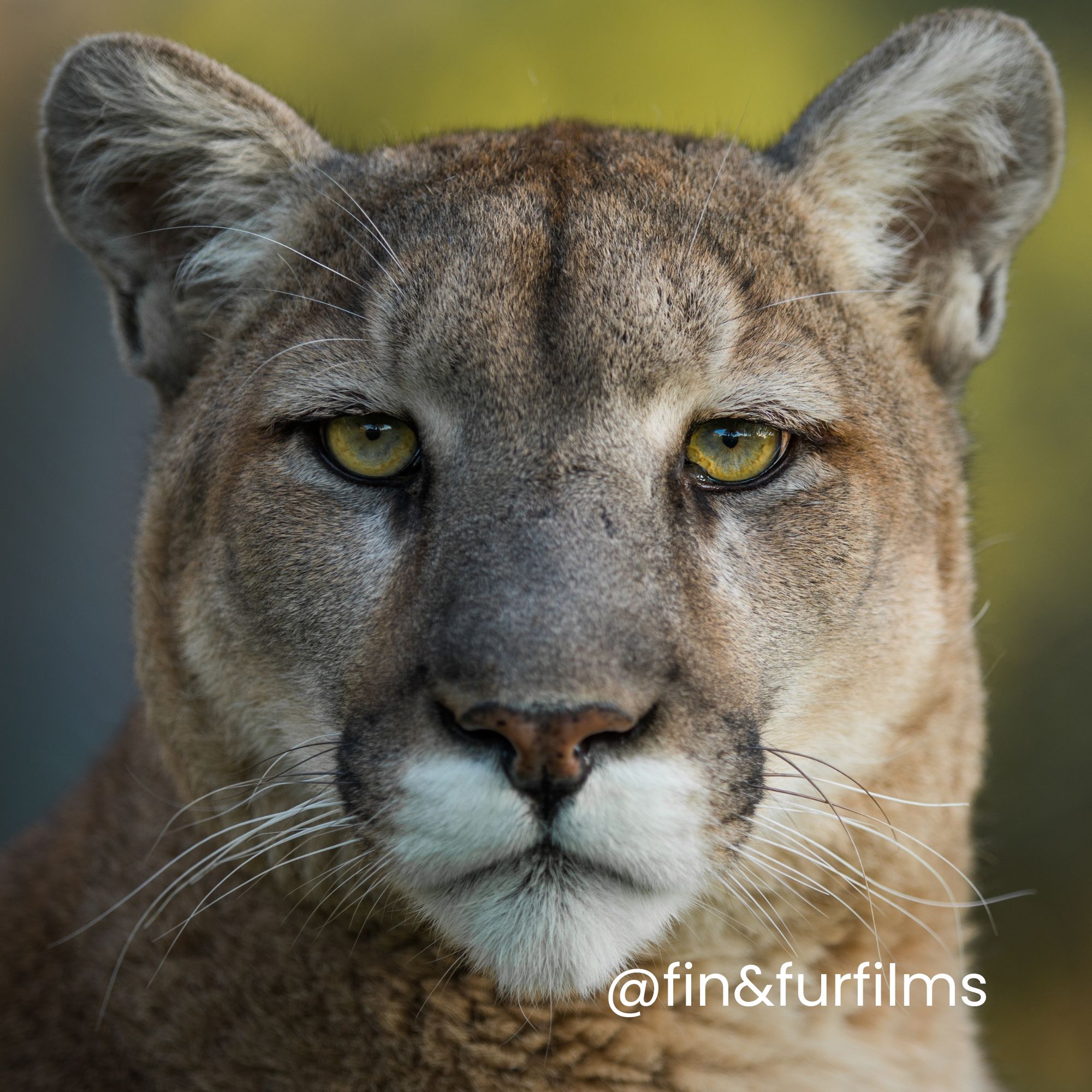

Mountain Lion Foundation Calls for Independent Review of Utah Cougar Removal Study WRI 7707
SALT LAKE CITY, UT, UNITED STATES, August 21, 2026 /EINPresswire.com/ — The Mountain Lion Foundation (MLF), through its Utah Wild campaign, is calling for an independent scientific review of Utah’s current mountain lion management policies and a pause to intensive cougar removal under the state’s WRI-7707 study while that review is conducted.
According to estimates from the Utah Division of Wildlife Resources (DWR), the state’s adult mountain lion population declined from approximately 1,748 animals in 2018 to 1,058 in 2024, a decrease of about 40 percent over six years. The 2024 estimate predates the launch of WRI-7707, a multi-year predator-removal study being conducted in six deer-management units.
“Utah Wild is focused on ensuring that wildlife management decisions are informed by sound science, transparency and the long-term public interest,” said Ellen C. O’Connell, Executive Director of the Mountain Lion Foundation. “We believe the state should evaluate the available population data and establish clear biological safeguards as this work continues.”
Under WRI-7707, DWR is conducting focused predator removal in the Boulder, Monroe, Stansbury/Cedar, Pine Valley, Wasatch East and Zion deer-management units. The stated purpose of the study is to examine whether reducing predator densities increases mule deer survival and population growth.
The publicly available summary describes a study lasting at least three years. The summary does not specify a numerical limit on cougar removals or a cougar-population threshold that would trigger a pause. It also lists $300,000 in combined outside funding from the Utah Wild Sheep Foundation and Sportsmen for Fish & Wildlife.
Utah’s Cougar Management Policies Have Changed
In 2023, the Utah Legislature enacted HB 469, which changed the state’s approach to mountain lion management by eliminating cougar-specific permits and limits on number of cougars killed and allowing year-round hunting and trapping.
The cougar provisions were not included in the version of the legislation reviewed in committee. They were added in a later version introduced on the Senate floor on the 43rd day of Utah’s 45-day legislative session. The revised cougar provisions did not receive a separate committee hearing before passage.
The Mountain Lion Foundation and Western Wildlife Conservancy subsequently challenged HB 469 in court (Third District Court Case No. 230907889) arguing that the law conflicts with provisions of the Utah Constitution concerning the preservation and regulation of wildlife for the public good. The Utah Supreme Court heard oral arguments in September 2025. As of August 21, 2026, no decision had been handed down.
Cougar and Mule Deer Population Trends
Across the 2019–20 through 2024–25 hunting seasons, 3,489 mountain lions were killed statewide, according to figures cited by MLF. In the 2023–24 season, 567 mountain lions were killed.
Utah estimated its mule deer population at approximately 295,200 animals in 2024, compared with a statewide management objective of 404,900.
“The central scientific question is the extent to which predation is limiting mule deer populations relative to other factors,” said Dr. Byron Weckworth, Chief Conservation and Advocacy Officer for the Mountain Lion Foundation. “Deer abundance can be influenced by habitat quality, drought, severe winters, development, migration barriers, hunting, disease and predation.”
Research cited in Utah cougar-management materials has found that predator removal can have limited or short-lived effects on mule deer populations. MLF is also asking the state to consider the effect of removals on adult female mountain lions because the species reproduces slowly and female survival affects population recovery.
MLF Requests Review and Additional Safeguards
Through Utah Wild, MLF is asking Utah wildlife officials to pause intensive predator removal under WRI-7707 pending independent scientific review; establish biological safeguards for mountain lion populations; conduct independent population assessments; provide opportunities for public participation; and evaluate the full range of factors affecting mule deer populations.
“This is not a question of hunters versus conservationists,” O’Connell said. “There is broad interest in responsible wildlife stewardship. Our goal is to support a management process that is transparent, scientifically defensible and sustainable over the long term.”
Ellen OConnell
Mountain Lion Foundation
+1 916-442-2666
email us here
Visit us on social media:
Instagram
Facebook
Legal Disclaimer:
EIN Presswire provides this news content “as is” without warranty of any kind. We do not accept any responsibility or liability
for the accuracy, content, images, videos, licenses, completeness, legality, or reliability of the information contained in this
article. If you have any complaints or copyright issues related to this article, kindly contact the author above.

Media gallery
