Supercritical Running Insoles for Marathon and Trail Footwear Brands
DONGGUAN, GUANGDONG, CHINA, August 24, 2026 /EINPresswire.com/ -- A marathon runner strikes the pavement over thirty
Press Release Disclaimer: This is a press release distributed through the XPR Media network. It has not been independently verified by our newsroom.
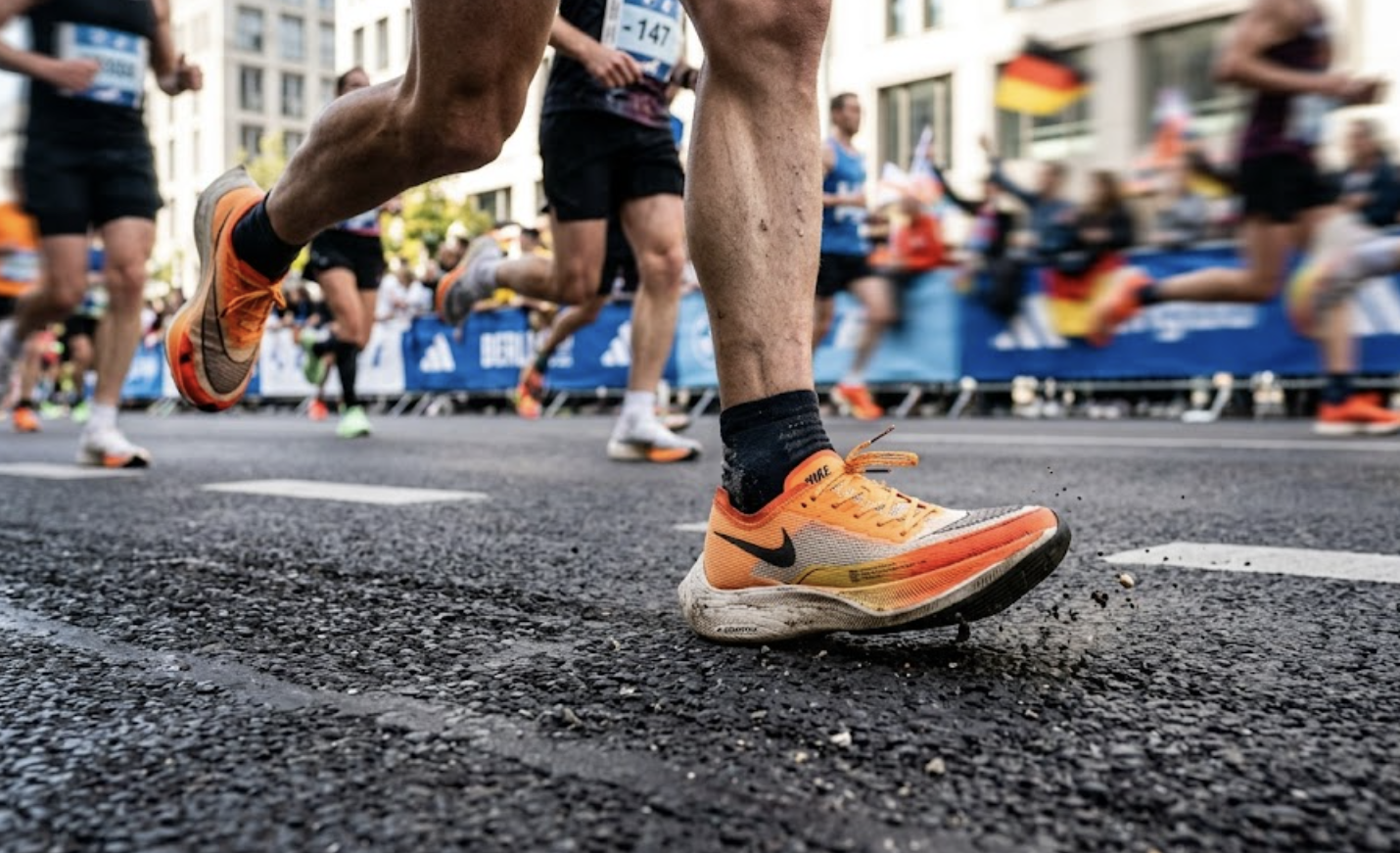

DONGGUAN, GUANGDONG, CHINA, August 24, 2026 /EINPresswire.com/ — A marathon runner strikes the pavement over thirty thousand times during a single race, generating ground reaction forces equivalent to nearly three times their body weight. This continuous mechanical impact places immense strain on the musculoskeletal system, particularly affecting the plantar fascia, Achilles tendon, and lower leg musculature. As distance accumulates, muscles experience microscopic tissue tears and localized fatigue. This physiological exhaustion alters running kinematics, reduces stride efficiency, and increases overuse injury risks. In response to these biomechanical challenges, athletic footwear developers are incorporating specialized Supercritical Running Insoles into high-performance footwear to attenuate kinetic shock and stabilize foot motion.
Traditionally, product managers treated footbeds as secondary interior comfort layers designed primarily for initial step-in feel. However, modern sports science proves that the footbed acts as a critical dynamic interface between the foot and midsole. An improperly designed insole absorbs impact passively but dissipates kinetic energy as heat, accelerating runner fatigue. Conversely, an engineered supercritical footbed manages mechanical energy efficiently throughout the gait cycle. By offering dynamic impact dampening during heel strike and rapid elastic rebound during toe-off, these advanced interior components protect lower-limb musculature, maintain proper foot alignment, and enhance propulsive efficiency over grueling distances.
The Physics of Supercritical Foaming: Microcellular Pore Dynamics and Superior Kinetic Rebound
Achieving extreme lightweight properties alongside high energy return requires fundamentally rethinking traditional foam chemistry. Standard footwear foam manufacturing relies heavily on chemical blowing agents that decompose under heat to liberate gas. This conventional method often leaves chemical residues within the polymer matrix and generates irregular, macroscopic cell structures that collapse under prolonged pressure. In contrast, physical supercritical foaming utilizes environmentally benign gases, such as nitrogen or carbon dioxide, brought to a supercritical fluid state under high pressure and precise thermal control.
When the liquid polymer saturates with supercritical gas and undergoes sudden pressure release, millions of microscopic nucleation sites form simultaneously. This reaction creates an extraordinarily uniform, closed-cell microcellular network across the entire material structure. Microcellular geometry fundamentally alters polymer mechanics. Because the microscopic pore walls are remarkably thin and highly uniform, the cellular matrix minimizes internal viscoelastic hysteresis loss during deformation. Consequently, when a runner applies downward pressure, the supercritical foam compresses smoothly and stores elastic energy within its microcellular lattice. Upon pressure release, the material rebounds rapidly, returning a significantly higher percentage of kinetic energy to the runner compared to chemically blown foams. Furthermore, this physical process eliminates heavy chemical additives, enabling manufacturers to achieve ultra-low foam densities without sacrificing tear strength or structural stability.
Thermal Neutrality and Hysteresis Resistance: Sustaining Resilience in Extreme Environments
Endurance athletes routinely encounter challenging ambient conditions, ranging from freezing mountain trails to sun-baked asphalt roads. Conventional EVA and polyurethane foams exhibit high thermal sensitivity due to their polymer formulation and macrocellular structure. In cold temperatures, traditional foams stiffen considerably, transmitting excessive vibration to the joints. Conversely, under high ambient heat, standard foams soften excessively, causing the foot to sink deeply and reducing propulsive energy return. Supercritical physical foaming overcomes these environmental limitations by producing a stable microcellular lattice that maintains mechanical consistency across broad temperature ranges.
In addition to thermal stability, long-distance running demands exceptional resistance to dynamic mechanical fatigue. Standard cushioning foams suffer from high compression set over prolonged use, losing their structural thickness and shock-absorbing capacity after repeated impacts. Supercritical polymers demonstrate remarkable durability under cyclic compression loading. Material innovators at Foamwell engineer these elastomeric formulations to maintain consistent rebound height and damping characteristics across hundreds of competition kilometers. Moreover, because the physical foaming process creates a completely closed-cell microcellular structure, these insoles inherently resist water and sweat absorption. This hydrophobic property prevents the footbed from gaining weight during rainy trail runs or intense marathons, while helping maintain internal footwear hygiene.
Engineered Product Architectures: Matching Supercritical EVA and ATPU to Running Disciplines
Different running disciplines require distinct mechanical properties from footwear materials. Road marathon racing demands extreme light weight, fluid stride transitions, and maximum energy conservation over flat, uniform surfaces. To address these specific performance requirements, material engineers formulate ultra-light supercritical EVA compounds. For instance, the Foamwell Leap-E60 insole leverages advanced supercritical EVA technology to achieve an ultra-light density profile while delivering high energy return. This lightweight construction reduces the swing weight of the shoe, allowing marathon runners to maintain steady cadences and reduce metabolic expenditure during late-race stages.
In contrast, off-road trail running introduces unpredictable, rugged terrain featuring sharp rocks, loose gravel, and steep inclines. Trail footwear requires interior components that provide enhanced tear resistance, high elasticity, and lateral stability. For these demanding environments, supercritical aliphatic thermoplastic polyurethane (ATPU) offers superior functional advantages. The Leap-T65 insole with supercritical ATPU combines the rugged abrasion resistance and elastomeric elasticity of TPU with the ultra-lightweight benefits of physical gas foaming. This specialized architecture protects the foot from localized pressure points on uneven surfaces while providing steady propulsive energy. Additionally, versatile supercritical EVA variations accommodate everyday distance training footwear, providing customizable arch support and adaptable firmness profiles to suit diverse runner biomechanics.
Co-Engineering Excellence: Foamwell’s Biomechanical R&D, Lab Testing, and Global Scalability
Successfully integrating high-performance supercritical footbeds into commercial footwear lines requires seamless collaboration between component manufacturers and brand product teams. Foamwell supports global footwear clients through a fully integrated research and testing infrastructure. Within its dedicated in-house testing laboratory, technical specialists conduct comprehensive mechanical and biomechanical evaluations. The team systematically measures energy return percentages, dynamic compression fatigue, split tear strength, abrasion resistance, and plantar pressure distribution. This empirical testing ensures that every custom formulation meets strict performance benchmarks before entering full-scale production.
To keep pace with demanding brand release schedules, the company provides agile OEM and ODM development workflows. Technical teams transform conceptual briefs into functional engineering designs within three to five days. Subsequently, rapid prototyping facilities produce test samples within five to seven days, allowing footwear designers to conduct immediate fit and wear testing. Once finalized, bulk manufacturing orders complete within thirty to thirty-five days. To guarantee supply chain security for international clients, the enterprise operates modern manufacturing facilities strategically located across China (Dongguan), Vietnam (Hai Phong and Binh Duong), and Indonesia (Brebes). This multi-national manufacturing network offers flexible regional order fulfillment, optimizes shipping logistics, mitigates tariff risks, and ensures reliable production capacity for global footwear brands.
Conclusion: Elevating Running Footwear Through Advanced Supercritical Foaming
The adoption of supercritical physical foaming technology represents a major evolution in endurance footwear design. By replacing traditional chemically blown foams with uniform microcellular structures, component manufacturers provide running brands with scientifically proven performance advantages. These advanced footbeds deliver exceptional kinetic energy return, persistent shock absorption, thermal neutrality, and extreme lightweight comfort across marathon and trail running applications.
Partnering with established material innovators allows footwear brands to translate complex material science into tangible athletic benefits. As competitive distance runners continue to demand lighter, faster, and more protective gear, supercritical running insoles provide a reliable technological foundation for next-generation performance footwear.
Discover comprehensive technical specifications and customized footbed solutions at https://www.foam-well.com/.
Foamwell Limited
Foamwell Limited
+ +86 13549380132
email us here
Legal Disclaimer:
EIN Presswire provides this news content “as is” without warranty of any kind. We do not accept any responsibility or liability
for the accuracy, content, images, videos, licenses, completeness, legality, or reliability of the information contained in this
article. If you have any complaints or copyright issues related to this article, kindly contact the author above.

Media gallery