Matrix Wildfire Deploys Landscape-Scale Utility Corridor Hardening to Prevent Grid Ignitions and Catastrophic Liability
Massive Area Fire Denial platforms and long lasting non-toxic retandtants provide power utilities with proactive
Press Release Disclaimer: This is a press release distributed through the XPR Media network. It has not been independently verified by our newsroom.
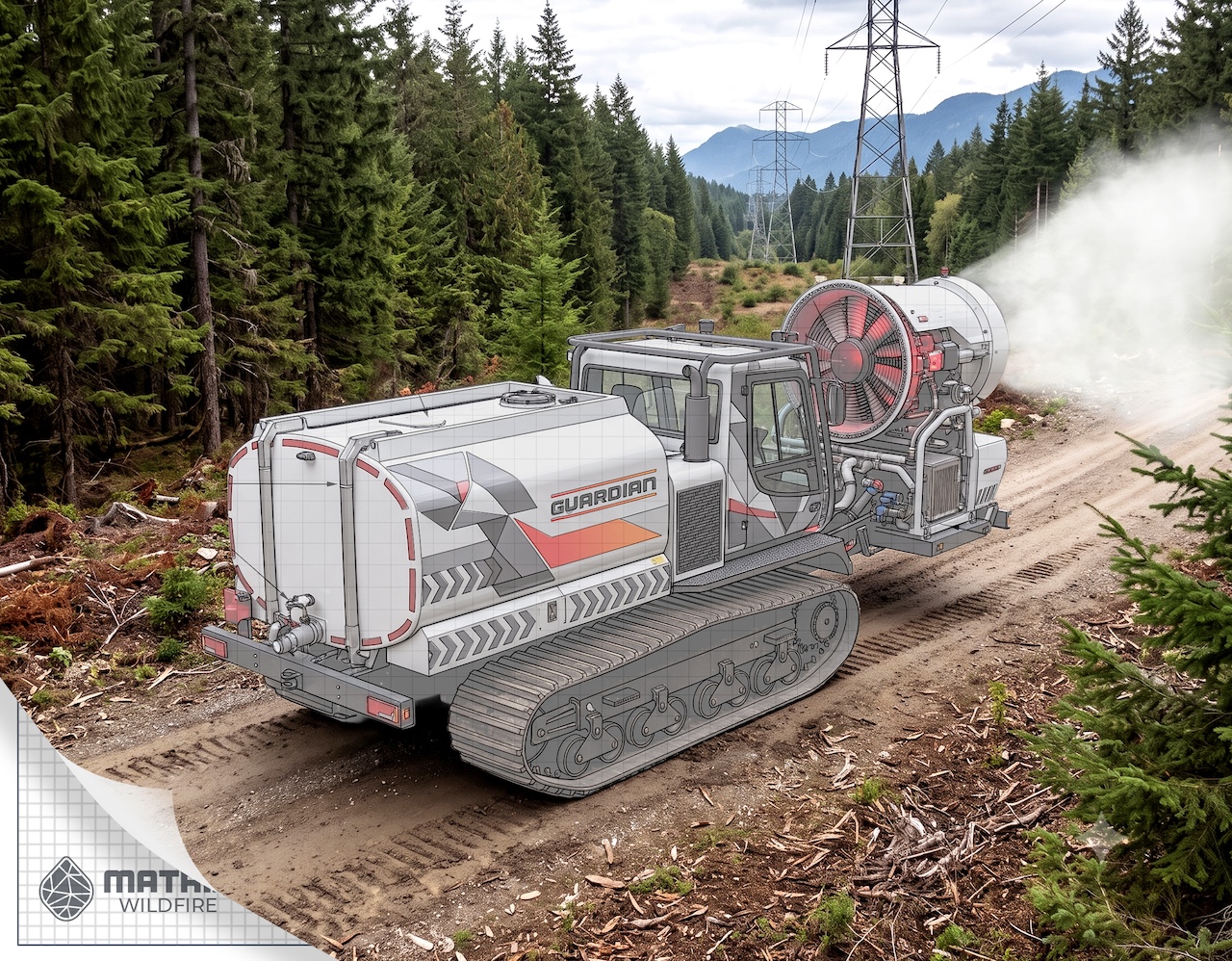

Massive Area Fire Denial platforms and long lasting non-toxic retandtants provide power utilities with proactive defense against powerline-sparked wildfires.
BOULDER, CO, UNITED STATES, September 16, 2026 /EINPresswire.com/ — Amid escalating grid-sparked wildfire litigation, utility bankruptcies, and tightening property/casualty insurance capacity, Matrix Wildfire has expanded its industrial Massive Area Fire Denial (MAFD) technology to protect overhead transmission lines, distribution corridors, and remote substation assets.
Power transmission operators face a dual crisis: an aging grid operating in fuel choked wildland-urban interface (WUI) zones, and catastrophic inverse condemnation liability if line slaps, equipment failures, or fallen vegetation spark a blaze. At the same time, Public Safety Power Shutoffs (PSPS) impose millions in economic disruption and regulatory blowback, while conventional vegetation management—such as tree trimming and manual brush clearing—remains labor-intensive, slow, and easily outpaced by rapid fuel growth.
Matrix Wildfire’s utility-focused mitigation platform, The GUARDIAN, provides a proactive alternative to power shutoffs and reactive emergency response:
Long Term Vegetation De-Risking: Applies CitroTech (CITR) a food-grade, environmentally safe retardant chemistry across wide utility easements, chemically neutralizing undergrowth and preventing dry brush from serving as flash fuel when equipment sparks or conductors fault.
Critical Asset Enclosure: Creates defensible, multi-layer fire breaks around remote substations, transformer banks, and wooden utility poles to protect them against incoming external wildfire fronts.
Extreme Volume Standoff Suppression: Utilizes mobile, high-capacity turbine delivery units capable of projecting atomized retardant barriers hundreds of feet into rugged, off-road terrain where ground access is constrained.
Underwriter Grade Risk Intelligence: Provides spatial mapping and application logging, giving utility risk managers defensible proof of mitigation to satisfy utility commissions and negotiate improved terms with London and domestic excess-casualty underwriters.
“Shutting off power to entire regions cannot be our only line of defense against catastrophic utility fire liability,” said Patric Douglas, CEO of Matrix Wildfire. “By applying durable long lasting fire-retardant chemistry directly to high-risk spans and substation perimeters, we allow utilities to protect their balance sheets, maintain operational continuity, and prevent sparks from ever turning into landscape-scale disasters.”
Underwriter Risk Engineering Note: Direct Impact on Loss Ratios & Capacity
Measurable Hazard Reduction: Shifting from unhedged brush clearance to certified, long duration non-toxic fire retardant barriers directly mitigates primary ignition exposure under energized lines, helping satisfy increasingly strict wildland-urban interface (WUI) risk warranty standards.
Lower Attachment Point Volatility: Proactive corridor de-energization provides excess casualty and surplus-lines underwriters with verifiable loss-control data, reducing the likelihood of catastrophic inverse-condemnation claims that pierce high-layer reinsurance towers.
Audit Ready Compliance: Telemetry-verified application records create a documented standard of reasonable care, defending insureds against gross negligence claims and statutory suppression-cost recovery actions.
To learn more about utility corridor mitigation and pilot programs, visit www.matrixwildfire.com
Christina Hope
Matrix Wildfire
+14152359410 ext.
email us here
Visit us on social media:
LinkedIn
Matrix Guardian System
Legal Disclaimer:
EIN Presswire provides this news content “as is” without warranty of any kind. We do not accept any responsibility or liability
for the accuracy, content, images, videos, licenses, completeness, legality, or reliability of the information contained in this
article. If you have any complaints or copyright issues related to this article, kindly contact the author above.

Media gallery