
Caregiver Burnout Emerges as Key Concern in Greenville-Spartanburg-Asheville-Anderson Region
A trending topic in the Greenville-Spartanburg-Asheville-Anderson region addresses caregiver burnout, providing insights on how to identify warning signs, the emotional challenges of stepping back, and strategies for sustainable caregiving including respite care and leveraging support systems.
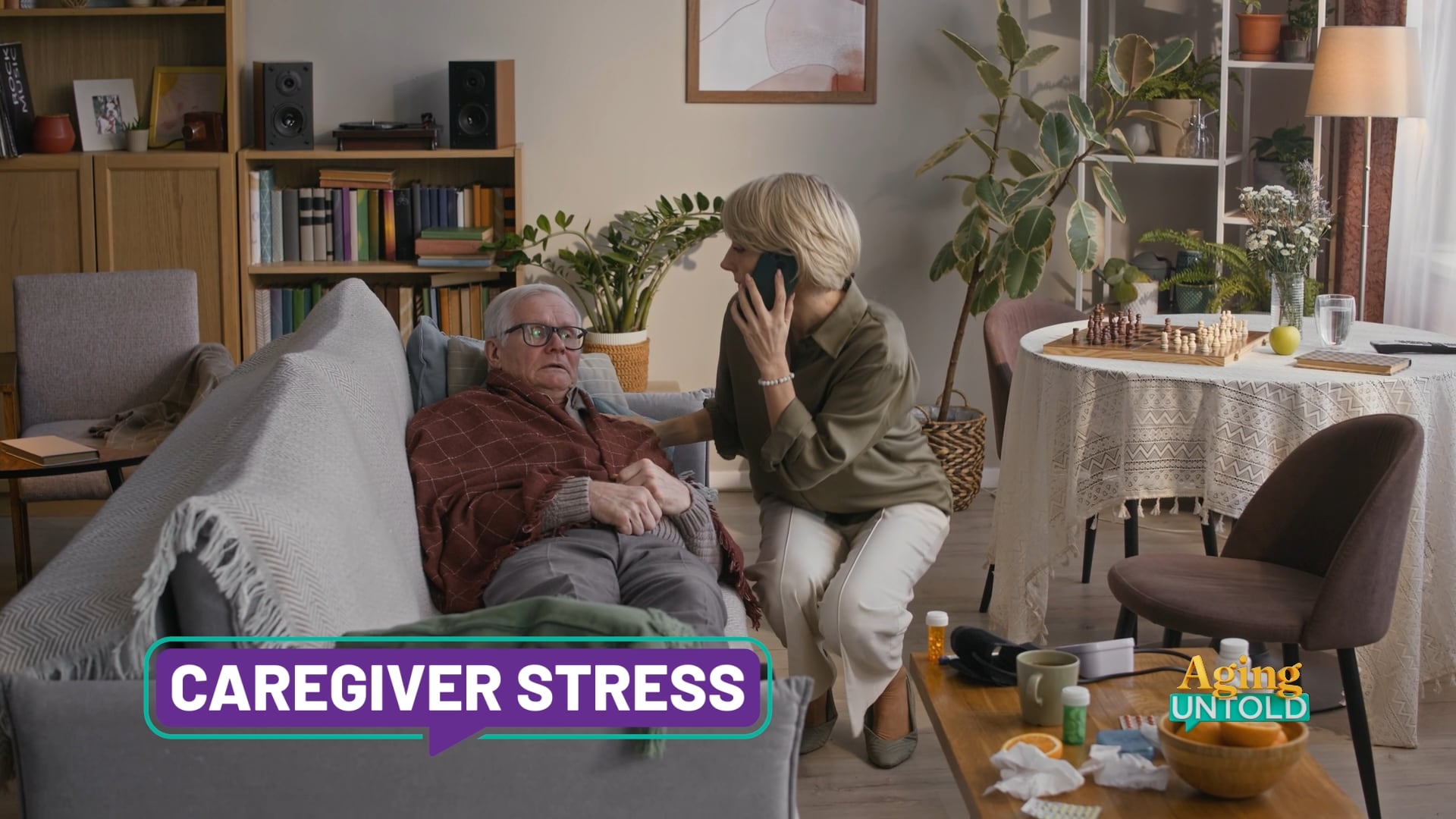
 Greenville Spartanburg Asheville Anderson, SC, October 2, 2026 — The Greenville-Spartanburg-Asheville-Anderson region is witnessing a growing focus on the issue of caregiver burnout, highlighting critical needs for awareness and support among individuals providing care for loved ones. This trend underscores the significant emotional and physical toll that caregiving can exact, and brings to the forefront strategies for maintaining well-being and sustainability in these demanding roles.
Experts and community discussions are increasingly pointing to the importance of identifying the warning signs associated with caregiver burnout. These signs can manifest in various ways, including persistent exhaustion, feelings of resentment or anger towards the care recipient, increased irritability, changes in sleep or appetite, and a general sense of being overwhelmed. Recognizing these indicators early is considered a crucial step in addressing the problem before it escalates.
A significant emotional challenge often faced by caregivers is the difficulty associated with stepping back from their caregiving responsibilities, even temporarily. This can stem from a sense of duty, guilt, or a perceived lack of viable alternatives. However, the trend emphasizes that self-care is not selfish but essential for effective and prolonged caregiving.
Strategies for sustainable caregiving are a central theme in the current discussions. These include:
- Respite Care: Utilizing services that provide temporary relief for caregivers, allowing them time to rest and recharge.
- Leveraging Support Systems: Building and actively engaging a network of friends, family, or community resources. This can involve delegating tasks, seeking emotional support, or sharing caregiving duties.
- Setting Boundaries: Establishing realistic expectations and limits for oneself and others involved in the care process.
- Seeking Professional Help: Consulting with healthcare providers or mental health professionals for guidance and support.
The focus on caregiver burnout in this region reflects a broader societal recognition of the vital, yet often taxing, role of informal caregivers. The ongoing dialogue aims to equip individuals with the knowledge and tools necessary to navigate the complexities of caregiving while protecting their own health and well-being.
Story summarized from the original created by LeAnne Gendreau, Katherine Ambrose , Sondra ‘Sam’ Cradduck , Amy Amy Cameron O’Rourke, Rhea Rogers on www.foxcarolina.com, see more information here.
Media gallery
