‘Good Kid vs. Bad Kid’: Navigating Complexities of Elder Care Within Families
The trending topic in Greenville-Spartanburg-Asheville-Anderson, titled "'Good Kid vs. Bad Kid': The Sometimes Ugly Truth About Caring for Aging Parents," delves into the often difficult dynamics within families when adult children are tasked with caring for their aging parents. The…
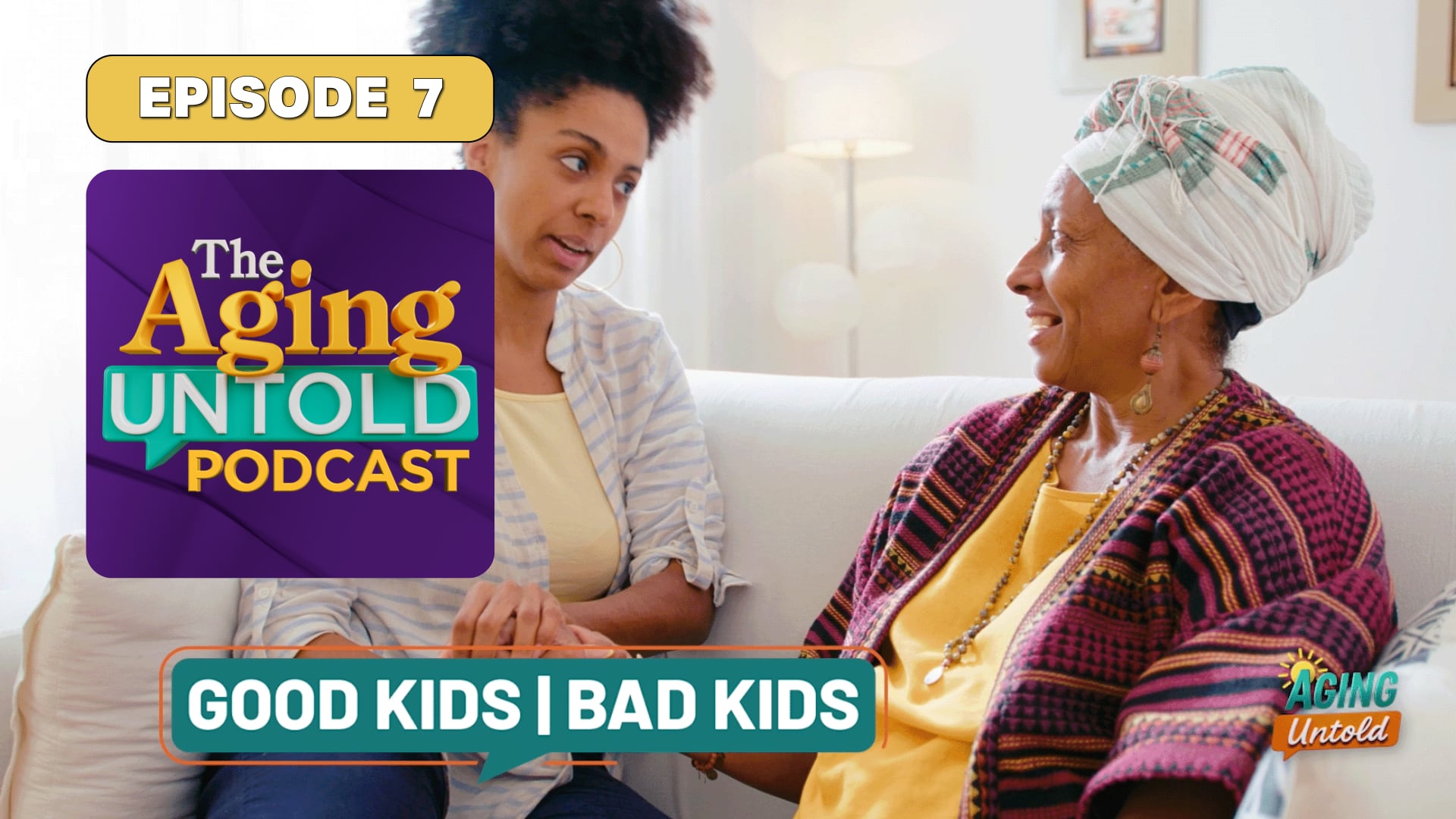
 Greenville Spartanburg Asheville Anderson, SC, September 23, 2026 — In the Greenville-Spartanburg-Asheville-Anderson region, a trending topic titled “‘Good Kid vs. Bad Kid’: The Sometimes Ugly Truth About Caring for Aging Parents” is bringing to light the intricate and often emotionally charged dynamics that arise when adult children are responsible for the care of their aging parents. The discussion points to a common familial division, often categorizing one sibling as the primary caregiver, labeled the ‘good kid,’ while another may be perceived as more distant or problematic, referred to as the ‘bad kid.’
This categorization, while seemingly simple, often masks deeper underlying issues. The trend highlights significant challenges such as inter-sibling conflict, which can be exacerbated by the pressures of elder care. Furthermore, the conversation touches upon sensitive areas including potential financial exploitation within families, the complexities surrounding power of attorney agreements, and the varied circumstances that affect a sibling’s capacity or willingness to participate in caregiving duties. These influencing factors can range from emotional burdens to financial constraints and geographical distance.
The trend emphasizes that the perceived roles of ‘good’ and ‘bad’ often stem from differing abilities, resources, and personal situations rather than a lack of familial commitment. It underscores the need for clear and open communication among siblings to address these disparities. Strategies for fair distribution of responsibilities, while respecting individual limitations, are also a key focus of the discussion.
Experts and participants in the conversation stress the importance of proactive professional planning. This includes seeking guidance on legal matters such as power of attorney and estate planning, as well as exploring available caregiving resources. The aim is to navigate these challenging family situations with greater clarity, equity, and reduced conflict, ensuring the well-being of aging parents and fostering healthier family relationships.
The discussion points to the need for families to move beyond simplistic labels and engage in honest dialogue to understand the multifaceted nature of elder caregiving responsibilities.
Story summarized from the original created by LeAnne Gendreau, Wade Smith on www.foxcarolina.com, see more information here.
Media gallery